One of the best ways to experience Tokachi is by car. With few railways reaching the countryside, a rental car unlocks the hilltop viewpoints, farm roads, and gardens that give the region its character — and the drive itself becomes part of the trip.
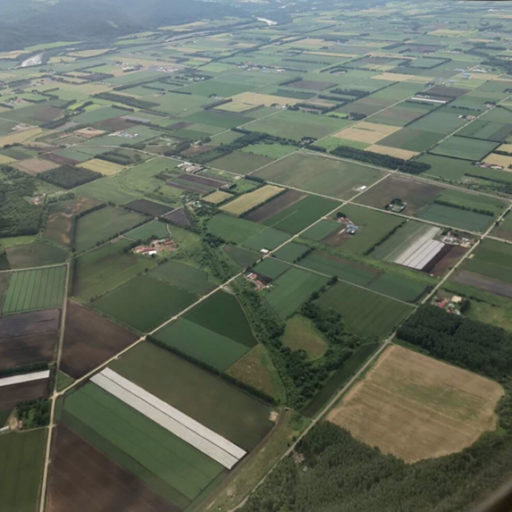
Why drive in Tokachi?
- Reach rural viewpoints and farms with no bus service
- Stop freely at cafés, roadside stations, and scenic pull-outs
- Cover Tokachi’s spread-out sights comfortably in a day
- Travel at your own pace beneath the region’s famously wide skies
A sample scenic day from Obihiro
Most trips start in Obihiro, where cars can be rented at the station and at Tokachi-Obihiro Airport. A relaxed loop might look like this:
- Obihiro → Kofuku Station (about 30 minutes): the “Happiness Station” and its bell of good fortune.
- → Naitai Plateau Farm, Kamishihoro (about 1 hour further): Japan’s largest public pasture, with a free hilltop viewpoint and the Naitai Terrace café (open late April–October).
- → back toward Obihiro via the farm roads: tree-lined lanes and patchwork fields, perfect for photo stops.
Swap in a garden (Manabe Garden in Obihiro, or the Tokachi Millennium Forest near Shimizu, about 40 minutes west) if you prefer flowers to pastures.
Practical driving tips
- Rentals: available at JR Obihiro Station and Tokachi-Obihiro Airport; book ahead in summer and during autumn foliage.
- Driving side: Japan drives on the left; an International Driving Permit (or an official Japanese translation of your licence) is required.
- Distances: roads are open and fast, but sights are far apart — allow more time than the map suggests and keep the tank topped up in rural areas.
- Winter: roads are snowy and icy from December to March; hilltop roads such as Naitai close for the season, and winter tyres and caution are essential.
- Roadside stations (michi-no-eki): handy for toilets, local produce, and a rest between stops.